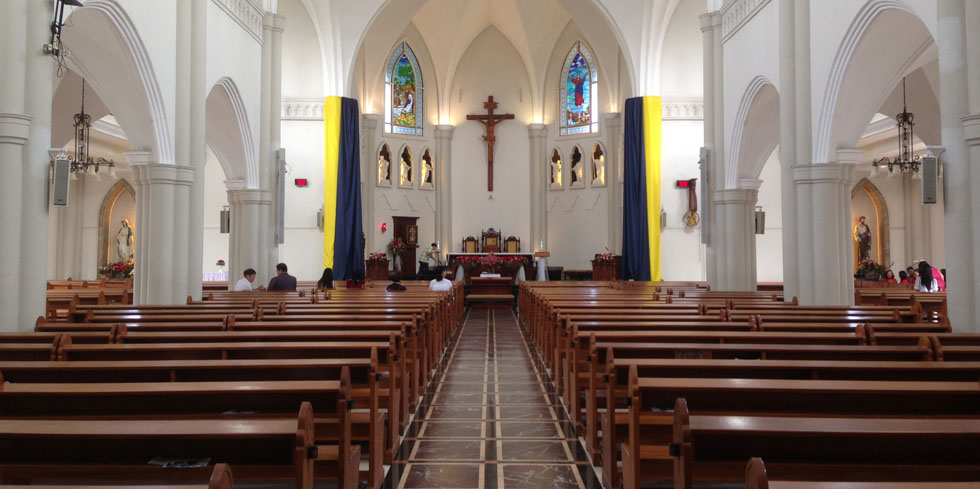
The Rite of Christian Initiation of Adults (RCIA) in the Catholic Church
The Rite of Christian Initiation of Adults (RCIA) is a process through which individuals interested in becoming members of the Catholic Church are introduced to its teachings, practices, and traditions. This journey is open to adults who have never been baptized, as well as those baptized in another Christian tradition seeking full communion with the Catholic Church.
RCIA is a structured program that typically spans several months and involves catechesis, spiritual formation, and participation in the liturgical life of the Church. It is a time for individuals to deepen their understanding of the Catholic faith, discern their call to conversion, and prepare for the sacraments of initiation – Baptism (if not already baptized), Confirmation, and Eucharist.
Throughout the RCIA process, participants are guided by sponsors or mentors who accompany them on their journey of faith. The community also plays a vital role in supporting and welcoming those seeking to join the Church.
At key points in the RCIA process, such as the Rite of Acceptance into the Order of Catechumens and the Rite of Election, participants publicly declare their intention to become Catholic and are formally welcomed by the Church. The culmination of the RCIA process is usually celebrated during the Easter Vigil Mass, where candidates receive the sacraments of initiation and are welcomed into full communion with the Catholic Church.
RCIA is a transformative experience that allows individuals to deepen their relationship with God, grow in faith alongside fellow believers, and become active members of the Body of Christ. It is a journey filled with prayer, study, reflection, and discernment – ultimately leading participants to embrace a new life in Christ within the rich traditions of the Catholic faith.
If you are considering joining the Catholic Church or know someone who might be interested in RCIA, reach out to your local parish for more information on how to get started on this rewarding spiritual journey.
Exploring the Benefits of the RCIA Process: A Journey to Full Communion with the Catholic Church
- Structured process for individuals interested in becoming Catholic.
- Opportunity for adults to deepen their understanding of the Catholic faith.
- Guidance and support from sponsors or mentors throughout the journey.
- Preparation for receiving sacraments of initiation – Baptism, Confirmation, and Eucharist.
- Involvement in the liturgical life of the Church during the RCIA process.
- Public declaration of intention to become Catholic at key milestones.
- Culmination with reception into full communion with the Catholic Church, often during Easter Vigil Mass.
Challenges and Considerations of the RCIA Process: Understanding Potential Drawbacks for Participants
- Lengthy process that can span several months, requiring a significant time commitment.
- May involve complex theological teachings and doctrines that could be challenging for some participants to grasp.
- Participants may face resistance or lack of support from family members or friends who do not share their religious beliefs.
- Some individuals may find the structured nature of the RCIA program restrictive or overwhelming.
- The RCIA process may uncover personal struggles or doubts about faith that could be emotionally difficult to navigate.
- Candidates may feel pressure to conform to certain expectations or traditions within the Catholic Church during the initiation process.
- There is no guarantee that all participants will ultimately choose to continue with their journey towards full communion with the Catholic Church.
Structured process for individuals interested in becoming Catholic.
The Rite of Christian Initiation of Adults (RCIA) in the Catholic Church provides a structured process for individuals who are interested in becoming Catholic. This organised approach offers a clear path for those seeking to deepen their understanding of the faith, discern their call to conversion, and prepare for full initiation into the Church through the sacraments of Baptism, Confirmation, and Eucharist. The step-by-step nature of RCIA ensures that participants receive comprehensive catechesis, spiritual formation, and guidance from mentors, fostering a supportive environment for individuals to explore and embrace the teachings and traditions of the Catholic faith as they journey towards full communion with the Church.
Opportunity for adults to deepen their understanding of the Catholic faith.
The Rite of Christian Initiation of Adults (RCIA) in the Catholic Church provides a valuable opportunity for adults to deepen their understanding of the Catholic faith. Through structured catechesis, spiritual formation, and active participation in the Church’s liturgical life, participants in RCIA are able to explore the rich teachings, practices, and traditions of Catholicism in a supportive and nurturing environment. This process allows individuals to ask questions, engage in meaningful discussions, and reflect on their beliefs, ultimately fostering a deeper connection with God and a more profound appreciation for the beauty of the Catholic faith.
Guidance and support from sponsors or mentors throughout the journey.
One significant advantage of the Rite of Christian Initiation of Adults (RCIA) in the Catholic Church is the invaluable guidance and support provided by sponsors or mentors to participants throughout their spiritual journey. These sponsors play a crucial role in accompanying individuals as they deepen their understanding of the Catholic faith, discern their call to conversion, and prepare for the sacraments of initiation. The presence of sponsors or mentors offers a source of encouragement, wisdom, and companionship, helping participants navigate challenges, ask questions, and grow in their relationship with God within the supportive framework of the RCIA process.
Preparation for receiving sacraments of initiation – Baptism, Confirmation, and Eucharist.
One significant advantage of the Rite of Christian Initiation of Adults (RCIA) in the Catholic Church is its thorough preparation for receiving the sacraments of initiation – Baptism, Confirmation, and Eucharist. Through a structured program of catechesis, spiritual formation, and participation in the liturgical life of the Church, individuals engaging in RCIA are guided towards a deep understanding and appreciation of these sacraments. This preparation not only ensures that candidates are well-informed about the significance and meaning behind each sacrament but also allows for a profound spiritual readiness to receive them, marking a pivotal moment in their faith journey within the Catholic tradition.
Involvement in the liturgical life of the Church during the RCIA process.
One significant advantage of the RCIA process is the active involvement in the liturgical life of the Church. Participants have the opportunity to immerse themselves in the rich traditions and sacred rituals of Catholic worship, allowing them to experience firsthand the beauty and depth of the Church’s liturgical practices. By engaging in Mass, prayer services, and other liturgical celebrations throughout the RCIA journey, individuals deepen their understanding of Catholic worship, cultivate a sense of belonging within the faith community, and prepare spiritually for their eventual initiation into the sacramental life of the Church. This immersion in the liturgical life not only educates participants about Catholic traditions but also nurtures their spiritual growth and fosters a deeper connection to God and His people.
Public declaration of intention to become Catholic at key milestones.
One significant advantage of the Rite of Christian Initiation of Adults (RCIA) in the Catholic Church is the opportunity for participants to make a public declaration of their intention to become Catholic at key milestones in the process. These public declarations, such as during the Rite of Acceptance into the Order of Catechumens and the Rite of Election, not only signify a personal commitment to the faith but also allow for formal recognition and support from the Church community. This public affirmation serves as a powerful moment of spiritual growth, solidarity, and encouragement for individuals embarking on their journey towards full communion with the Catholic Church.
Culmination with reception into full communion with the Catholic Church, often during Easter Vigil Mass.
One significant advantage of the Rite of Christian Initiation of Adults (RCIA) in the Catholic Church is its culmination with the reception into full communion with the Catholic Church, frequently taking place during the Easter Vigil Mass. This momentous occasion symbolizes a new beginning and a profound spiritual rebirth for individuals who have journeyed through the RCIA process. Being welcomed into the Church during this sacred and joyous celebration not only marks a personal milestone for participants but also signifies their integration into the wider Catholic community, where they can continue to grow in faith and participate fully in the life of the Church.
Lengthy process that can span several months, requiring a significant time commitment.
One significant drawback of the Rite of Christian Initiation of Adults (RCIA) in the Catholic Church is its lengthy process, which can span several months and demand a substantial time commitment from participants. The extensive duration of the program may pose challenges for individuals with busy schedules or those seeking a more immediate integration into the Church. This extended time frame can test the patience and dedication of candidates, potentially leading to feelings of discouragement or fatigue as they navigate through the various stages of formation and preparation for initiation into the Catholic faith.
May involve complex theological teachings and doctrines that could be challenging for some participants to grasp.
Participating in the Rite of Christian Initiation of Adults (RCIA) in the Catholic Church may present a challenge for some individuals due to the involvement of complex theological teachings and doctrines. The depth and intricacy of Catholic theology can be overwhelming for those who are new to the faith or have limited prior exposure to such concepts. Understanding abstract theological ideas and navigating intricate doctrines may require additional effort and support for participants to fully grasp and incorporate into their faith journey. It is important for RCIA leaders and mentors to provide clear explanations, guidance, and resources to help individuals overcome these challenges and deepen their understanding of the Catholic faith.
Participants may face resistance or lack of support from family members or friends who do not share their religious beliefs.
One challenging aspect of the Rite of Christian Initiation of Adults (RCIA) in the Catholic Church is that participants may encounter resistance or a lack of support from family members or friends who do not share their religious beliefs. This can create emotional and relational difficulties for individuals seeking to deepen their faith and join the Catholic Church. Navigating these conflicting dynamics requires courage, patience, and a strong sense of conviction in one’s spiritual journey. Support from the RCIA community, mentors, and clergy can be crucial in helping participants overcome these obstacles and stay committed to their path of conversion and initiation into the Catholic faith.
Some individuals may find the structured nature of the RCIA program restrictive or overwhelming.
Some individuals may find the structured nature of the RCIA program restrictive or overwhelming. The prescribed timeline and formalized process of RCIA may not align with the unique spiritual journey and pace of every participant. For those who prefer a more flexible or individualized approach to faith formation, the structured nature of RCIA could potentially hinder their personal growth and exploration of Catholicism. It is important for church leaders and mentors involved in RCIA to be sensitive to the diverse needs and preferences of participants, ensuring that the program remains inclusive and accommodating to all individuals seeking to deepen their relationship with God within the Catholic tradition.
The RCIA process may uncover personal struggles or doubts about faith that could be emotionally difficult to navigate.
During the RCIA process in the Catholic Church, individuals may encounter personal struggles or doubts about their faith that can be emotionally challenging to navigate. The journey of discernment and conversion can bring to light deep-seated beliefs, fears, or uncertainties that require careful reflection and support. Facing these internal struggles within the context of a faith community can be both confronting and liberating, as participants are encouraged to address their doubts openly and seek guidance from mentors and spiritual leaders. While this aspect of the RCIA process may be difficult, it also offers a valuable opportunity for personal growth, healing, and a deeper understanding of one’s relationship with God.
Candidates may feel pressure to conform to certain expectations or traditions within the Catholic Church during the initiation process.
During the Rite of Christian Initiation of Adults (RCIA) in the Catholic Church, one potential con is that candidates may experience pressure to conform to specific expectations or traditions within the Church. This pressure to assimilate can sometimes lead individuals to feel conflicted or overwhelmed as they navigate their own beliefs and values alongside the teachings and practices of the Catholic faith. It is important for both candidates and those guiding them through the RCIA process to foster an environment of understanding, respect, and open dialogue, allowing for genuine exploration and discernment without undue influence or coercion. Ultimately, the goal of RCIA should be to facilitate a sincere and personal journey of faith for each individual, free from external pressures to conform.
There is no guarantee that all participants will ultimately choose to continue with their journey towards full communion with the Catholic Church.
One challenge of the Rite of Christian Initiation of Adults (RCIA) in the Catholic Church is that there is no guarantee that all participants will ultimately choose to continue their journey towards full communion with the Catholic Church. Despite the guidance, support, and formation provided throughout the RCIA process, individuals may encounter personal or spiritual obstacles that lead them to reconsider their decision to join the Church. This uncertainty highlights the importance of ongoing discernment, prayerful reflection, and pastoral care to accompany participants on their unique paths of faith exploration and decision-making within the RCIA programme.