The Rich Heritage of Christian Tradition
Christian tradition is a cornerstone of the faith that has been passed down through generations, shaping beliefs, practices, and customs of believers worldwide. It encompasses a rich tapestry of teachings, rituals, and cultural expressions that reflect the diverse history and evolution of Christianity.
At the heart of Christian tradition is the Bible, considered the inspired Word of God by believers. The scriptures provide a foundation for Christian doctrine and ethics, guiding followers in their spiritual journey. The early Church Fathers played a crucial role in interpreting and preserving these teachings, laying the groundwork for theological development.
Throughout history, various councils and creeds have been convened to address theological controversies and establish orthodox beliefs. The Nicene Creed, for example, formulated in the 4th century, remains a fundamental statement of faith for many Christians today.
Rituals and sacraments are integral components of Christian tradition, serving as visible signs of spiritual truths. Baptism and the Eucharist (or Communion) are central sacraments that symbolize initiation into the Christian community and participation in Christ’s sacrifice.
Christian tradition also encompasses liturgical practices that vary among denominations but share common elements such as prayer, hymns, scripture readings, and preaching. These rituals create a sacred space for worship and reflection, connecting believers with God and each other.
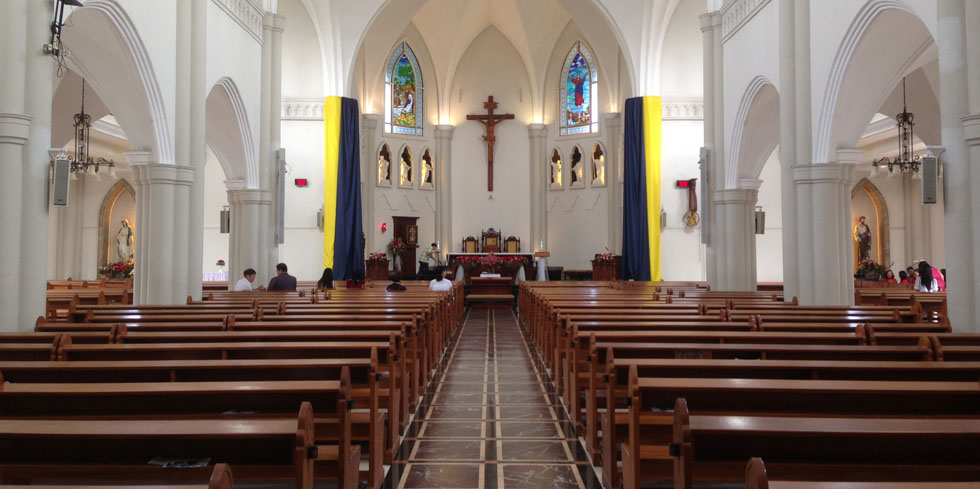
Artistic expressions have played a significant role in shaping Christian tradition, from intricate icons to majestic cathedrals. Visual art, music, and architecture have been used to glorify God and inspire devotion among worshippers throughout history.
Charitable works and social justice initiatives are another vital aspect of Christian tradition. The call to love one’s neighbour and care for the marginalized is deeply rooted in the teachings of Jesus Christ. Christians around the world engage in acts of compassion and advocacy to uphold these values.
In embracing Christian tradition, believers honour their spiritual heritage while seeking to embody timeless truths in contemporary contexts. The richness of this tradition lies in its ability to adapt to diverse cultures and contexts while remaining anchored in the enduring message of God’s love for humanity.
Exploring Christian Traditions: Family Practices, Main Branches, and Core Beliefs
- What are some Christian family traditions?
- What are the three main Christian traditions?
- What is meant by Christian tradition?
- What are the traditions of Christianity?
- What are traditions in Christian families?
- What are the six Christian traditions?
What are some Christian family traditions?
Christian family traditions play a significant role in fostering faith, unity, and values within the home. Some common Christian family traditions include regular family prayer or devotional time, where members come together to seek God’s guidance and blessings. Celebrating religious holidays such as Christmas and Easter with special rituals and activities that focus on the spiritual significance of these events is another cherished tradition. Engaging in acts of service and charity as a family, whether volunteering together or supporting those in need, helps instil compassion and empathy in children. Additionally, attending church services as a family and participating in church events and activities strengthen the bond between family members and their faith community. These traditions not only create lasting memories but also deepen the spiritual foundation of the family unit.
What are the three main Christian traditions?
The three main Christian traditions are Catholicism, Eastern Orthodoxy, and Protestantism. Catholicism, with its roots in the early Christian Church and the authority of the Pope in Rome, is the largest Christian tradition worldwide. Eastern Orthodoxy, characterised by its rich liturgical practices and emphasis on mystical theology, has a strong presence in Eastern Europe and parts of the Middle East. Protestantism emerged from the Reformation in the 16th century, encompassing a diverse range of denominations that emphasise individual interpretation of scripture and salvation through faith alone. Each of these traditions has unique beliefs, practices, and historical developments that contribute to the rich tapestry of Christianity as a whole.
What is meant by Christian tradition?
Christian tradition refers to the collective beliefs, practices, and customs that have been handed down within the Christian faith from generation to generation. It encompasses the foundational teachings found in the Bible, as well as interpretations of those teachings by early Church leaders and theologians. Christian tradition includes rituals such as baptism and communion, doctrinal statements like creeds, and liturgical practices observed in worship services. This tradition serves as a link to the historical roots of Christianity and provides a framework for understanding the core tenets of the faith. It is a living expression of the beliefs and values that unite Christians worldwide, guiding their spiritual journey and shaping their communal identity.
What are the traditions of Christianity?
The traditions of Christianity encompass a wide array of practices, beliefs, and customs that have been passed down through generations of believers. These traditions include sacraments such as baptism and communion, liturgical rituals like prayer and worship services, doctrinal statements like the Nicene Creed, and cultural expressions such as art, music, and architecture. Charity and social justice initiatives also form an integral part of Christian tradition, reflecting the teachings of Jesus Christ to love one another and care for the less fortunate. Overall, the traditions of Christianity serve to connect believers with their spiritual heritage, providing a framework for worship, community life, and ethical conduct in accordance with the teachings of the Bible.
What are traditions in Christian families?
Traditions in Christian families hold a special significance, serving as a means to pass down faith, values, and heritage from one generation to the next. These traditions often revolve around religious observances such as attending church services together, saying grace before meals, or reading the Bible as a family. Celebrating religious holidays like Christmas and Easter with specific rituals and customs is also common among Christian families. Beyond religious practices, traditions in Christian families may include acts of service, such as volunteering together or participating in charitable activities, reinforcing the values of compassion and community that are central to the Christian faith. Overall, these traditions create a sense of unity, continuity, and spiritual connection within Christian households.
What are the six Christian traditions?
The term “Christian traditions” often refers to the major branches or denominations within Christianity. The six main Christian traditions are usually identified as Catholicism, Protestantism, Eastern Orthodoxy, Anglicanism, Pentecostalism, and Nontrinitarianism. Each of these traditions has its own distinct beliefs, practices, and historical origins that have shaped the diversity of Christianity worldwide. While there are many other smaller denominations and sects within Christianity, these six traditions represent the broad spectrum of beliefs and practices found within the Christian faith.