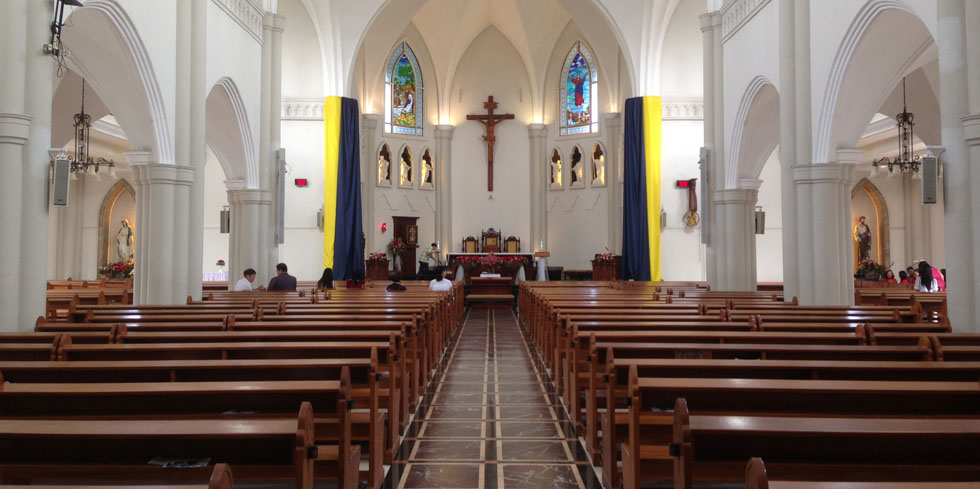
The Beauty of Church Photos
Churches have always been a source of inspiration and awe, not only for their spiritual significance but also for their architectural beauty. Capturing church photos allows us to appreciate and preserve the unique charm and history of these sacred places.
One of the most striking aspects of church photos is the intricate details found in the architecture. From soaring spires to intricate stained glass windows, each element tells a story and reflects the craftsmanship and dedication that went into building these places of worship.
Church photos also capture the sense of peace and tranquillity that can be found within these sacred walls. Whether it’s a quiet moment of reflection in an empty pew or the soft glow of candlelight during a service, these images evoke a sense of serenity and connection to something greater than ourselves.
Furthermore, church photos serve as a visual record of history. Many churches have stood for centuries, witnessing countless events and changes over time. By photographing these buildings, we are preserving a piece of our cultural heritage for future generations to appreciate.
Ultimately, church photos allow us to see beyond the physical structures and into the heart and soul of these sacred spaces. They remind us of the power of faith, community, and tradition that have endured through generations.
So next time you visit a church, take a moment to capture its beauty through your lens. You may just find yourself capturing not just an image but a piece of history and spirituality that will resonate for years to come.
Exploring Church Photography: Enhancing Beauty, Respectful Practices, The 80/20 Rule, and Symbolic Imagery
- How to make a church beautiful?
- Is it respectful to take photos in a church?
- What is the 80 20 rule in churches?
- What are the five images of the church?
How to make a church beautiful?
Creating a beautiful church involves a combination of thoughtful design, attention to detail, and a deep sense of reverence for the sacred space. To enhance the beauty of a church, consider elements such as lighting, artwork, floral arrangements, and architectural features that complement the spiritual atmosphere. Incorporating meaningful symbolism and colours can also add depth and significance to the aesthetics of the church. Additionally, maintaining cleanliness and orderliness within the church can contribute to its overall beauty and create a welcoming environment for worshippers and visitors alike. Ultimately, making a church beautiful is not just about physical adornments but also about fostering an atmosphere of peace, reverence, and spiritual connection that resonates with all who enter its doors.
Is it respectful to take photos in a church?
When considering whether it is respectful to take photos in a church, it is important to be mindful of the sacredness and reverence associated with these places of worship. While some churches may welcome photography as a way to capture and share the beauty of their architecture and spiritual atmosphere, others may have specific guidelines or restrictions in place to maintain the sanctity of the space. It is advisable to always ask for permission before taking photos in a church, out of respect for the religious practices and beliefs of those who worship there. By approaching photography in a church with sensitivity and awareness, we can ensure that we honour the traditions and sentiments associated with these sacred sites.
What is the 80 20 rule in churches?
The 80/20 rule in churches, often referred to as the Pareto Principle, suggests that roughly 80% of the effects come from 20% of the causes within a church community. In practical terms, this means that a small percentage of church members or activities often contribute a significant portion of the overall impact or results within the church. This principle can be applied to various aspects of church life, such as volunteer participation, financial contributions, or even spiritual growth. By understanding and utilising the 80/20 rule effectively, churches can focus their efforts on areas that yield the most significant benefits and outcomes for their community.
What are the five images of the church?
The question “What are the five images of the church?” often arises in discussions about church photography. In response, it’s important to note that the images of the church go beyond physical representations and encompass deeper symbolic meanings. The five key images of the church typically include the Body of Christ, the Bride of Christ, the Temple of the Holy Spirit, the People of God, and the Household of God. These metaphors highlight different aspects of the church’s identity and purpose, emphasising unity, relationship with Christ, spiritual growth, community, and worship. When capturing church photos, considering these symbolic representations can add layers of meaning and significance to the visual portrayal of a place that holds both historical and spiritual importance.