Christian Churches in the UK: A Guide to Faith, Worship and Community
Christian churches are an important part of life across the United Kingdom. They range from historic cathedrals and village churches to urban congregations, chapels and newer community-based fellowships. While they share a focus on Jesus Christ and the Christian faith, churches differ in their traditions, forms of worship and ways of organising their communities.
A wide range of Christian traditions
The UK is home to many Christian denominations. Some have centuries of history in Britain, while others have grown through migration and more recent movements. Broadly, Christian churches in the UK include:
- Anglican churches, including the Church of England and the Church in Wales. The Church of England is established in England; the Church in Wales is separate and disestablished.
- Church of Scotland and other Presbyterian churches, which have a strong presence in Scotland and elsewhere in the UK.
- Roman Catholic churches, which are part of the worldwide Catholic Church and led locally by bishops.
- Methodist churches, known for a tradition of preaching, practical service and community involvement.
- Baptist churches, which commonly emphasise baptism of believers and the independence of local congregations.
- Pentecostal and evangelical churches, which often place particular emphasis on personal faith, the Bible, prayer and the work of the Holy Spirit.
- Orthodox churches, including Greek, Russian, Romanian and other communities, with distinctive liturgical traditions.
- Independent and newer churches, which may be linked to a network or may operate as a local congregation.
This is not an exhaustive list. Many churches work together through local partnerships, while retaining their own beliefs and practices.
What happens at a church service?
Services vary from one church to another. They may include prayers, readings from the Bible, singing, a sermon or talk, and Holy Communion or the Eucharist. Some congregations use a formal liturgy, while others have a more informal style with contemporary music and open prayer.
Churches also gather for occasions such as baptisms, weddings and funerals, as well as festivals including Christmas and Easter. Many offer activities during the week, such as Bible study, prayer meetings, youth groups, children’s clubs, community meals and support services.
Churches and local communities
For many people, a church is both a place of worship and a community meeting place. Churches may run food banks, advice services, parent-and-child groups, lunch clubs or other practical support. The work and facilities available differ between congregations, but many seek to serve people in their neighbourhoods as part of their Christian faith.
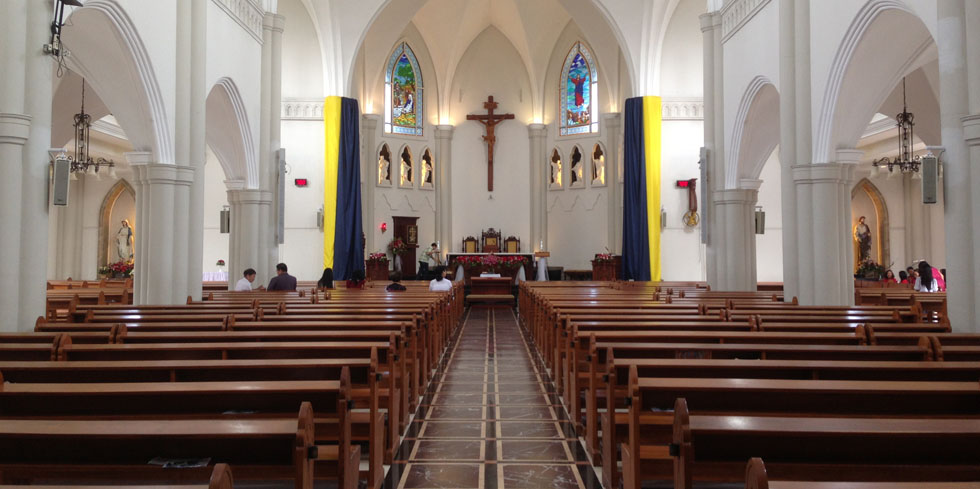
Church buildings also reflect the UK’s varied history and architecture. Some are centuries old, while others are modern buildings or shared community spaces. In some areas, congregations meet in schools, halls or rented venues rather than a dedicated church building.
Finding a church in the UK
If you are looking for a church, you can search online by location or denomination, or ask a local community organisation for recommendations. Many churches publish service times and information about their beliefs on their websites. You can also contact them before visiting if you have questions about accessibility, children’s activities or what to expect.
Visitors are generally welcome, whether they have attended church before or are simply curious. There is no single way to experience church in the UK: each congregation has its own character, and finding one that feels right may take time.
A diverse and changing landscape
Christian churches in the UK represent a broad range of histories, cultures and approaches to worship. Some congregations are small and long-established; others are large, diverse or newly formed. Together, they contribute to the country’s religious and community life, while continuing to adapt to the needs of the people they serve.
8 Benefits of Christian Churches in the UK
- Offer welcoming places for worship and reflection.
- Bring people together through shared faith and community.
- Provide pastoral care and practical support.
- Run activities for children, young people and families.
- Celebrate important occasions such as Christmas and Easter.
- Support local charities and community projects.
- Represent a rich variety of Christian traditions.
- Create opportunities for volunteering and friendship.
7 Potential Drawbacks of Christian Churches in the UK
- Some church buildings have limited step-free access.
- Service times may not suit everyone.
- Traditional services can feel unfamiliar to newcomers.
- Churches vary in how welcoming they feel.
- Some congregations have few activities for young people.
- Denominational differences can be confusing.
- Attendance may involve travel in rural areas.
Offer welcoming places for worship and reflection.
Christian churches across the UK offer welcoming places for worship, reflection and quiet. Whether in a historic building, a modern church or a community hall, visitors can find space to pray, consider life’s big questions and connect with others. Many congregations welcome people from all backgrounds, whether they are regular churchgoers or simply curious, helping create a sense of belonging, support and shared community.
Bring people together through shared faith and community.
Christian churches across the UK bring people together through shared faith, regular worship and a sense of belonging. Congregations often connect people of different ages and backgrounds, offering opportunities to build friendships, support one another and take part in local activities. From Sunday services and social groups to volunteering and community projects, churches can help create strong relationships and a shared sense of purpose.
Provide pastoral care and practical support.
Christian churches across the UK often provide pastoral care and practical support to people facing difficult times. This may include a listening ear, prayer, visits to those who are unwell or isolated, and help finding local services. Many churches also support their communities through food banks, warm spaces, advice sessions and community groups. The help available varies between congregations, but this combination of personal care and practical assistance can offer comfort, connection and support when it is needed most.
Run activities for children, young people and families.
Many Christian churches in the UK run activities for children, young people and families, offering welcoming spaces to learn, make friends and take part in community life. These may include children’s groups, youth clubs, family events, holiday activities and parent-and-child sessions. Alongside games and creative activities, some groups explore Christian stories and values, helping families connect with others and feel part of a supportive local community.
Celebrate important occasions such as Christmas and Easter.
Christian churches across the UK bring people together to celebrate important occasions such as Christmas and Easter. Through services, music, prayer and community events, these celebrations help people reflect on the stories and meaning at the heart of the Christian faith. They also offer a welcoming opportunity for families, friends and visitors to share in familiar traditions and connect with their local community.
Support local charities and community projects.
Christian churches across the UK often support local charities and community projects, offering practical help to people in their neighbourhoods. Their work may include running food banks, organising community meals, collecting donations and supporting families, older people or those experiencing hardship. By working with local organisations and volunteers, churches can help bring people together and respond to needs within their communities.
Represent a rich variety of Christian traditions.
Christian churches in the UK represent a rich variety of traditions, from Anglican, Catholic and Presbyterian communities to Methodist, Baptist, Pentecostal and Orthodox congregations. Each brings its own history, style of worship and understanding of Christian faith, helping create a diverse religious landscape. This variety gives people the opportunity to explore different forms of worship and find a church community that reflects their beliefs and needs.
Create opportunities for volunteering and friendship.
Christian churches across the UK can create welcoming opportunities to volunteer and build lasting friendships. From helping at food banks and community events to supporting children’s groups or visiting people who feel isolated, there are many ways to get involved and make a practical difference. Shared activities bring people together, helping newcomers and long-standing members form connections, develop a sense of belonging and support one another.
Some church buildings have limited step-free access.
Some church buildings in the UK, particularly older or historic ones, have limited step-free access because of steps at entrances, uneven floors or narrow doorways. This can make attending services and events difficult for wheelchair users, people with limited mobility and families with pushchairs. Access varies between churches, so it is worth checking with the congregation beforehand about entrances, accessible toilets and any assistance available.
Service times may not suit everyone.
Service times may not suit everyone. Many churches hold services on Sunday mornings, which can be difficult for people who work shifts, have caring responsibilities or rely on limited public transport. Although some congregations offer evening or midweek services, these options vary, so it may take time to find a church with gatherings that fit comfortably around your routine.
Traditional services can feel unfamiliar to newcomers.
Traditional services in some UK churches can feel unfamiliar to newcomers, particularly if they include formal prayers, historic language, set responses or customs that are not explained. This may make it harder for visitors to follow what is happening or feel confident taking part. A warm welcome and clear guidance from the congregation can help make the experience more accessible.
Churches vary in how welcoming they feel.
Christian churches in the UK vary in how welcoming they feel, and a visitor’s experience can depend on the congregation, its customs and how clearly it explains what to expect. Some churches offer a warm greeting and make it easy for newcomers to join in, while others may seem formal, close-knit or unfamiliar at first. This does not necessarily reflect a lack of care, but it can make finding a comfortable community take time. Checking a church’s website or contacting someone beforehand may help visitors feel more at ease.
Some congregations have few activities for young people.
Some Christian churches in the UK offer only a limited range of activities for young people, particularly smaller congregations with fewer volunteers or resources. This can make it harder for children and teenagers to find age-appropriate groups, build friendships and feel involved in church life. As a result, young people may feel overlooked or look elsewhere for opportunities to connect, learn and take part.
Denominational differences can be confusing.
The range of Christian denominations in the UK can be confusing, particularly for people who are new to church. Congregations may differ in their beliefs, styles of worship, leadership and traditions, and it is not always clear what those differences mean in practice. This can make choosing a church feel daunting, although many churches are happy to explain their approach and welcome visitors who want to learn more.
Attendance may involve travel in rural areas.
In rural areas, attending a Christian church may involve travelling a considerable distance, as congregations can be spread across villages and smaller communities. Limited public transport and infrequent services may make getting there difficult, particularly for people without access to a car, older residents and those with mobility needs. Depending on where someone lives, planning a visit may therefore require extra time and support.