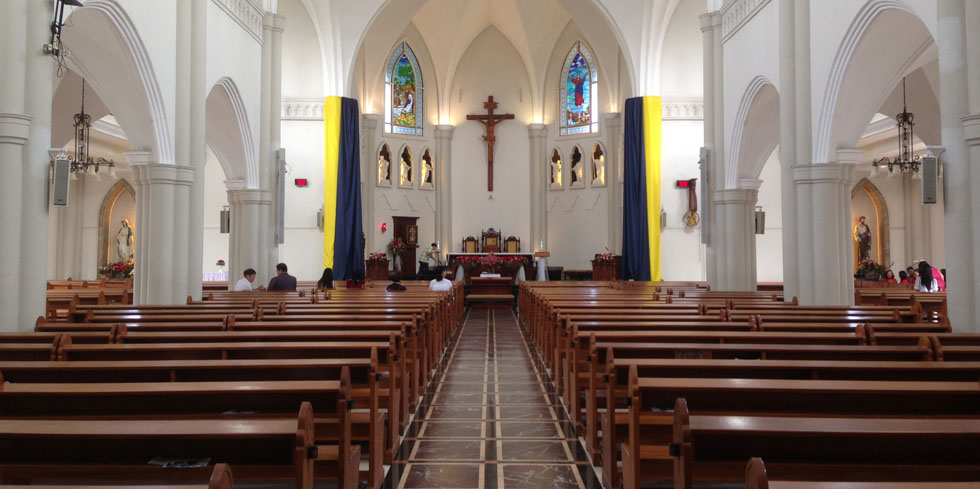
Christian Communities: A Source of Support and Belonging
Christian communities play a vital role in the lives of believers around the world. These communities, ranging from churches to small groups and fellowships, provide a sense of support, belonging, and spiritual growth for individuals seeking to deepen their faith.
One of the key aspects of Christian communities is the sense of fellowship they offer. Members come together to worship, pray, study the Bible, and support one another in times of need. This fellowship creates a strong bond among believers, fostering a sense of unity and shared purpose.
Moreover, Christian communities serve as a place where individuals can find guidance and mentorship in their spiritual journey. Leaders within these communities often provide pastoral care, counselling, and teaching to help members navigate life’s challenges with a biblical perspective.
Community outreach is another hallmark of Christian communities. Many churches and fellowships engage in various forms of service to their local neighbourhoods or global missions. This outreach not only benefits those in need but also allows members to live out their faith by demonstrating love and compassion to others.
As diverse as they may be, Christian communities all share a common goal: to glorify God and make disciples of all nations. Through worship, fellowship, service, and discipleship, these communities strive to create an environment where individuals can grow spiritually and live out their faith in tangible ways.
In conclusion, Christian communities serve as a source of support, belonging, and spiritual growth for believers worldwide. By coming together in fellowship, seeking guidance from mentors, engaging in outreach efforts, and fulfilling the Great Commission, these communities play a crucial role in shaping the lives of individuals and impacting the world for Christ.
Exploring Christian Communities: Common Questions and Answers
- What is a Christian Community?
- What are five religious communities?
- What is the Christian community?
- What are the different Christian communities?
- Are there any Christian communities?
- What are three examples of Christian communities?
- How many Christian communities are there?
- What are the two communities of Christianity?
What is a Christian Community?
A Christian community is a gathering of believers who come together to worship, pray, study the Bible, and support one another in their faith journey. It is a place where individuals find fellowship, guidance, and a sense of belonging as they seek to grow spiritually and live out their faith. In a Christian community, members share common beliefs and values rooted in the teachings of Jesus Christ, aiming to glorify God and make disciples through acts of love, service, and outreach. Ultimately, a Christian community serves as a source of support and encouragement for individuals seeking to deepen their relationship with God and live out their faith in community with others.
What are five religious communities?
There are numerous religious communities around the world that cater to diverse beliefs and practices. Five prominent religious communities include Christianity, Islam, Hinduism, Buddhism, and Judaism. Each of these communities has its own unique traditions, scriptures, rituals, and teachings that guide the lives of their followers. Christianity is one of the largest religions globally, with believers following the teachings of Jesus Christ as outlined in the Bible. Islam is based on the teachings of the Prophet Muhammad and the Quran, while Hinduism encompasses a wide range of beliefs and practices rooted in ancient texts like the Vedas. Buddhism focuses on the teachings of Siddhartha Gautama (the Buddha), promoting enlightenment and compassion. Judaism follows the teachings of the Torah and Talmud, emphasizing monotheism and ethical living. These religious communities provide a sense of identity, belonging, and spiritual fulfilment for millions of people worldwide.
What is the Christian community?
The Christian community refers to a group of believers who come together to worship, fellowship, and support one another in their faith journey. It is a gathering of individuals who share a common belief in Jesus Christ as their saviour and seek to live out their faith in community with others. The Christian community serves as a place of spiritual growth, where members can find encouragement, guidance, and accountability in their walk with God. Through shared values, beliefs, and practices, the Christian community fosters a sense of unity and belonging among its members, reflecting the love and grace of Christ to the world around them.
What are the different Christian communities?
Christian communities encompass a diverse array of denominations, traditions, and expressions of faith. Some of the major Christian communities include Catholicism, Protestantism (which includes various denominations such as Anglicanism, Baptist, Methodist, and Presbyterian), Eastern Orthodoxy, and Pentecostalism. Each of these communities has its own distinct beliefs, practices, and forms of worship that shape the spiritual experiences of its members. Additionally, there are numerous smaller Christian communities and independent churches that cater to specific theological perspectives or cultural backgrounds. Despite their differences, these various Christian communities share a common foundation in the teachings of Jesus Christ and a commitment to living out their faith in service to others.
Are there any Christian communities?
Yes, there are numerous Christian communities spread across the globe, each with its unique beliefs, practices, and traditions. These communities can range from local churches and fellowships to online groups and international organisations. Christian communities provide a supportive environment for believers to come together in worship, fellowship, and service. They offer a sense of belonging, spiritual growth, and community outreach opportunities for individuals seeking to deepen their faith and live out their beliefs in a communal setting. Whether large or small, traditional or contemporary, Christian communities play a significant role in the lives of believers by providing a place where they can connect with like-minded individuals and grow in their relationship with God.
What are three examples of Christian communities?
Christian communities come in various forms and sizes, each offering a unique expression of faith and fellowship. Three examples of Christian communities include churches, small groups, and monastic communities. Churches serve as central places of worship and community gathering for believers, providing weekly services, pastoral care, and outreach programmes. Small groups offer a more intimate setting for members to connect, study the Bible, pray together, and support one another in their spiritual journey. Monastic communities are dedicated to a life of prayer, work, and communal living according to a specific religious rule or tradition, fostering a deep sense of contemplation and devotion among its members. These diverse Christian communities exemplify the richness and diversity found within the body of Christ.
How many Christian communities are there?
The exact number of Christian communities worldwide is difficult to quantify due to the vast diversity and decentralised nature of Christianity. With numerous denominations, churches, fellowships, and small groups spread across different regions and cultures, the total count of Christian communities is constantly evolving. Each community may vary in size, beliefs, practices, and traditions, reflecting the rich tapestry of expressions within the Christian faith. Despite the challenge of determining an exact figure, what remains constant is the shared commitment among these diverse Christian communities to worship God, serve others, and spread the message of love and salvation through Jesus Christ.
What are the two communities of Christianity?
In Christianity, there are two main communities that form the foundation of the faith: the Catholic Church and the Protestant Church. The Catholic Church traces its origins back to the early followers of Jesus Christ and is led by the Pope in Rome. On the other hand, the Protestant Church emerged from the Reformation in the 16th century, with various denominations such as Anglican, Baptist, Methodist, and Lutheran. Despite their differences in theology and practice, both communities share a belief in Jesus Christ as Saviour and strive to live out their faith through worship, service, and spreading the message of love and salvation to all.