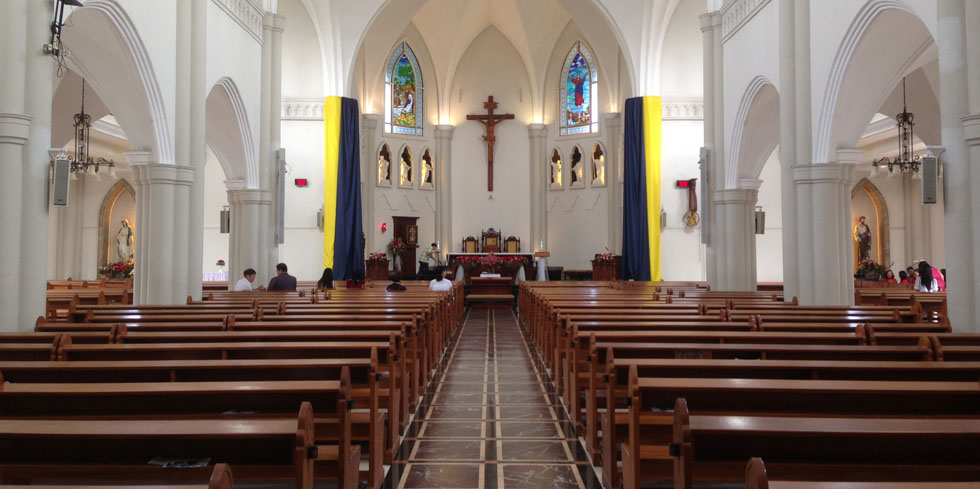
The Beauty of Orthodox Evening Prayers
Orthodox evening prayers, also known as Vespers, hold a special place in the rich tapestry of liturgical traditions within the Orthodox Christian faith. This sacred service, usually held in the late afternoon or early evening, marks the transition from day to night and offers a time for reflection, gratitude, and spiritual renewal.
One of the distinctive features of Orthodox evening prayers is the use of hymns and psalms that are sung or chanted by clergy and worshippers alike. These melodic chants create a serene atmosphere conducive to prayer and contemplation, allowing participants to connect with God on a deeper level.
The structure of Vespers typically includes psalms, scripture readings, prayers for various needs, and petitions for the well-being of the world. Through these elements, worshippers express their thanksgiving for the day that has passed, seek forgiveness for their shortcomings, and offer intercessions for those in need.
Orthodox evening prayers serve not only as a time of personal devotion but also as a communal gathering that strengthens the bonds of fellowship among believers. The shared experience of worshiping together fosters unity and solidarity within the faith community.
As daylight fades and darkness descends, Orthodox evening prayers illuminate the path towards spiritual enlightenment and inner peace. They remind us to pause amidst the busyness of life, turn our hearts towards God, and seek His presence in our midst.
In conclusion, Orthodox evening prayers are a cherished tradition that invites believers to draw closer to God through contemplation, song, and supplication. By participating in this sacred service, individuals can find solace, inspiration, and renewal as they journey through life guided by faith.
Understanding Orthodox Evening Prayers: Key Questions and Insights
- What are Orthodox evening prayers?
- Why are Orthodox evening prayers important in the Orthodox Christian faith?
- When are Orthodox evening prayers usually held?
- What is the structure of Orthodox evening prayers?
- How do Orthodox evening prayers differ from other prayer services?
- Are laypeople encouraged to participate in Orthodox evening prayers?
- What benefits can one derive from engaging in Orthodox evening prayers?
What are Orthodox evening prayers?
Orthodox evening prayers, also known as Vespers, are a sacred and integral part of the Orthodox Christian liturgical tradition. These prayers, typically conducted in the late afternoon or early evening, provide a structured and contemplative time for believers to gather, reflect, and offer their supplications to God. Orthodox evening prayers often include the recitation of psalms, hymns, scripture readings, and intercessions for various needs. Through this spiritual practice, worshippers express gratitude for the day that has passed, seek forgiveness for their sins, and seek divine guidance and protection as they prepare to rest for the night. Orthodox evening prayers serve as a beautiful opportunity for individuals to connect with God in a communal setting and find solace and strength in their faith journey.
Why are Orthodox evening prayers important in the Orthodox Christian faith?
Orthodox evening prayers hold significant importance in the Orthodox Christian faith for several reasons. Firstly, they provide a dedicated time for believers to pause, reflect, and connect with God at the close of each day, fostering a sense of spiritual discipline and mindfulness. Secondly, these prayers offer an opportunity for individuals to express gratitude for blessings received, seek forgiveness for sins committed, and intercede for the needs of others, thus deepening their relationship with God and nurturing a spirit of compassion and humility. Additionally, Orthodox evening prayers serve as a communal act of worship that strengthens the unity and fellowship within the faith community, reinforcing the shared values and beliefs that bind believers together in their journey of faith.
When are Orthodox evening prayers usually held?
Orthodox evening prayers, known as Vespers, are typically held in the late afternoon or early evening within the Orthodox Christian tradition. This sacred service marks the transition from day to night and offers a time for reflection, gratitude, and spiritual renewal. The timing of Orthodox evening prayers allows worshippers to gather after the activities of the day have concluded, providing a peaceful and contemplative atmosphere for individuals to connect with God through hymns, psalms, scripture readings, and communal prayer. The regular occurrence of Vespers serves as a spiritual anchor in the daily lives of believers, guiding them towards deeper faith and communion with God.
What is the structure of Orthodox evening prayers?
The structure of Orthodox evening prayers, known as Vespers, follows a traditional format that includes psalms, hymns, scripture readings, prayers of thanksgiving and supplication, and petitions for various needs. Typically beginning with the lighting of candles and an opening blessing, Vespers progresses through a series of psalms and hymns that reflect on the day’s blessings and challenges. Scriptural passages are read aloud to illuminate key teachings and themes, followed by intercessory prayers for the Church, the world, and individual intentions. The service culminates in a final blessing and dismissal, marking the conclusion of the day with a sense of peace and spiritual fulfilment.
How do Orthodox evening prayers differ from other prayer services?
Orthodox evening prayers, known as Vespers, differ from other prayer services in several distinctive ways. One key aspect is the emphasis on structured liturgical elements such as hymns, psalms, and readings that follow a specific order. The use of melodic chants and communal participation in singing create a unique atmosphere of reverence and unity among worshippers. Additionally, Orthodox evening prayers often include petitions for the needs of the world and intercessions for the community, highlighting a sense of interconnectedness and shared responsibility within the faith community. The focus on thanksgiving for the day that has passed and preparation for the night ahead sets Vespers apart as a service that marks the transition between day and night with a profound sense of spiritual significance.
Are laypeople encouraged to participate in Orthodox evening prayers?
In the Orthodox tradition, laypeople are not only encouraged but warmly welcomed to participate in Orthodox evening prayers. The beauty of these sacred services lies in their inclusivity, inviting all members of the faith community to join in worship, reflection, and prayer. By actively engaging in Vespers, laypeople can deepen their spiritual connection with God, experience the richness of Orthodox liturgical traditions, and contribute to the communal atmosphere of reverence and unity. Through their presence and participation, laypeople play an integral role in upholding the traditions of the Orthodox Church and nurturing a sense of belonging within the faith community.
What benefits can one derive from engaging in Orthodox evening prayers?
Engaging in Orthodox evening prayers offers a multitude of benefits to individuals seeking spiritual enrichment and connection with God. Through the practice of Vespers, one can experience a deep sense of peace and tranquillity as they reflect on the events of the day and offer gratitude for blessings received. The structured nature of Orthodox evening prayers provides a framework for personal introspection, repentance, and supplication, allowing participants to seek forgiveness, guidance, and strength from the Divine. Moreover, by joining in communal worship during Vespers, individuals can cultivate a sense of unity and fellowship with fellow believers, fostering a supportive community that shares in their spiritual journey. Ultimately, engaging in Orthodox evening prayers can lead to a heightened awareness of God’s presence in everyday life, a strengthened faith, and a renewed sense of purpose and hope.