The Beauty of an Orthodox Greek Wedding
Orthodox Greek weddings are known for their rich traditions, vibrant celebrations, and deep symbolism. Rooted in centuries-old customs and religious beliefs, these weddings are a beautiful blend of faith, culture, and community.
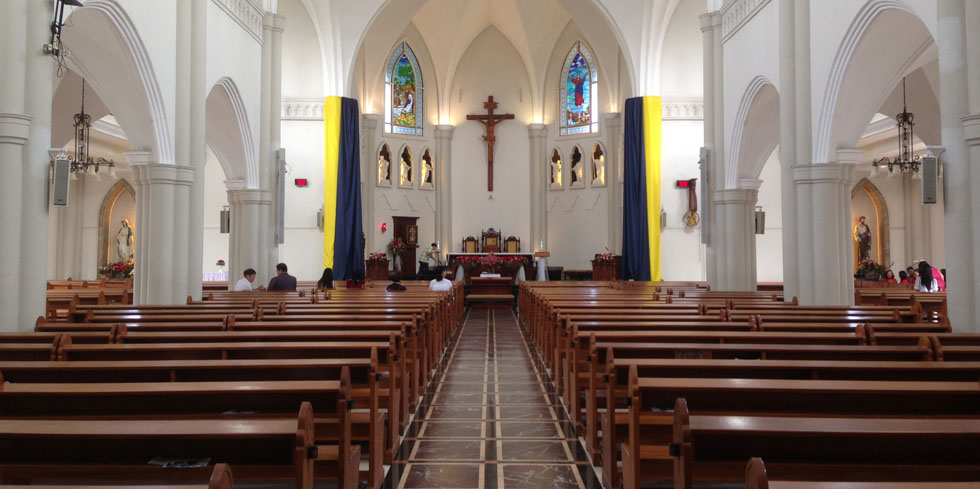
One of the most striking aspects of an Orthodox Greek wedding is the ceremony itself. Held in a majestic church adorned with icons and candles, the ceremony is a solemn yet joyous affair. The couple stands before the priest as they exchange vows and rings, symbolising their commitment to each other in the presence of God.
Throughout the ceremony, various rituals are performed that hold special significance. The crowning ceremony, where the couple is crowned as king and queen of their new family, symbolises their unity and shared responsibility in marriage. The common cup ritual represents their shared life together and mutual support.
After the ceremony, the celebration continues with a lively reception filled with music, dancing, and delicious food. Traditional Greek music fills the air as guests join in festive dances such as the kalamatiano and tsamiko. The food is abundant and delicious, with dishes like moussaka, souvlaki, and baklava delighting the senses.
Family plays a central role in Orthodox Greek weddings, with relatives coming together to celebrate the union of two families. It is common for guests to offer gifts of money pinned to the bride’s dress or placed in a special bag called a “koufeta.” These gifts symbolise good luck and prosperity for the newlyweds.
Overall, an Orthodox Greek wedding is a truly magical experience that honours tradition while celebrating love and unity. From the sacred ceremony to the lively reception, every aspect of these weddings reflects the beauty of Greek culture and the sanctity of marriage.
Understanding Orthodox Greek Weddings: Key Traditions and Etiquette
- What is the significance of the crowning ceremony in an Orthodox Greek wedding?
- How long does an Orthodox Greek wedding ceremony typically last?
- What are some traditional Greek dishes served at an Orthodox Greek wedding reception?
- Do guests usually bring gifts to an Orthodox Greek wedding?
- Is it common for the couple to dance traditional Greek dances at their wedding reception?
- Are there specific dress code requirements for guests attending an Orthodox Greek wedding?
What is the significance of the crowning ceremony in an Orthodox Greek wedding?
The crowning ceremony in an Orthodox Greek wedding holds deep symbolic significance, representing the couple’s union and shared responsibility in marriage. During this ritual, the bride and groom are crowned as king and queen of their new family, signifying their commitment to each other and to God. The crowns, known as “stefana,” are joined by a ribbon to symbolise the unity of the couple in marriage. This ceremony emphasises the couple’s role as partners who will rule their household together with love, respect, and mutual support. The crowns also serve as a reminder of the couple’s commitment to honour and uphold their marriage vows in the presence of God and their community.
How long does an Orthodox Greek wedding ceremony typically last?
An Orthodox Greek wedding ceremony typically lasts around 45 minutes to an hour, although the duration can vary depending on various factors such as the customs followed by the specific church and the inclusion of additional rituals. The ceremony is a sacred and symbolic event that includes prayers, hymns, scripture readings, and traditional rituals that hold deep significance in Greek Orthodox tradition. Despite its length, the ceremony is a beautiful and meaningful expression of faith, love, and unity between the couple as they embark on their journey together in marriage.
What are some traditional Greek dishes served at an Orthodox Greek wedding reception?
At an Orthodox Greek wedding reception, guests can expect to indulge in a delightful array of traditional Greek dishes that showcase the rich flavours and culinary heritage of Greece. Some popular dishes served at these joyous celebrations include moussaka, a delicious layered casserole of eggplant, minced meat, and béchamel sauce; souvlaki, grilled skewers of marinated meat typically served with pita bread and tzatziki sauce; and baklava, a sweet pastry made of layers of filo dough, nuts, and honey. These dishes not only tantalise the taste buds but also symbolise the warmth and hospitality that are central to Greek culture and traditions.
Do guests usually bring gifts to an Orthodox Greek wedding?
It is customary for guests attending an Orthodox Greek wedding to bring gifts for the newlyweds. These gifts are often in the form of money, which is traditionally pinned to the bride’s dress or placed in a special bag known as a “koufeta.” The monetary gifts symbolise good luck, prosperity, and well-wishes for the couple’s future together. Additionally, guests may also choose to bring traditional wedding gifts such as household items or sentimental tokens to congratulate the newlyweds on their special day. Overall, bringing gifts to an Orthodox Greek wedding is a common practice that allows guests to show their love and support for the couple as they begin their journey into marriage.
Is it common for the couple to dance traditional Greek dances at their wedding reception?
At Orthodox Greek weddings, it is indeed common for the couple to dance traditional Greek dances at their wedding reception. These dances, such as the kalamatiano and tsamiko, hold deep cultural significance and are a beloved part of Greek wedding celebrations. The couple’s participation in these dances symbolises their embrace of tradition, unity, and shared joy as they begin their journey together as husband and wife. Guests often join in these dances, creating a lively and festive atmosphere that celebrates love, community, and the rich heritage of Greek culture.
Are there specific dress code requirements for guests attending an Orthodox Greek wedding?
Guests attending an Orthodox Greek wedding are typically expected to dress modestly and elegantly. For women, this often means wearing dresses or skirts that cover the knees and shoulders, as well as avoiding overly revealing or flashy attire. Men are usually expected to wear suits or smart trousers with a dress shirt. It is also common for guests to avoid wearing black, as it is traditionally associated with mourning in Greek culture. Overall, the dress code for guests at an Orthodox Greek wedding reflects the reverence and respect for the sacredness of the occasion.