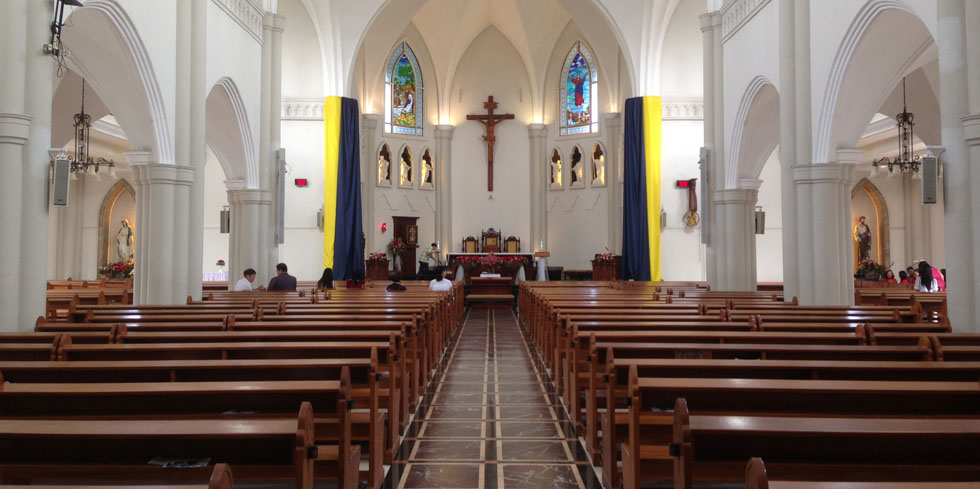
The Welcoming Church
A welcoming church is more than a building with its doors open. It is a community where people are treated with kindness, given space to belong and encouraged to explore faith at their own pace. Whether someone has attended church for years, is returning after a long time away or is visiting for the first time, a warm welcome can help them feel at ease.
A place to belong
People come to church with different stories, questions and hopes. Some may be looking for friendship or support; others may want to learn more about Christianity or find a quiet place to reflect. A welcoming church recognises that there is no single path into community. It seeks to meet people with patience and respect, without expecting them to have everything figured out.
Small gestures can make a meaningful difference: a friendly greeting, clear directions, an introduction to someone with similar interests or simply allowing visitors to take part in their own way. A genuine welcome is offered freely, without pressure or judgement.
Hospitality in everyday life
Christian hospitality is rooted in the example of Jesus, whose ministry brought people together and reached out to those who were often overlooked. For a church community, hospitality is not limited to a Sunday service. It can be expressed through listening, practical help, shared meals, prayer and care for neighbours.
Welcoming people also means paying attention to the things that can make joining in difficult. Clear information, accessible spaces and thoughtful support for children, older people and people with additional needs can help more people participate comfortably. Every person should be able to ask questions and let the church know what would help them feel included.
Growing together
A welcoming church is not simply a place that receives visitors; it is a community in which everyone can contribute. People bring different gifts, experiences and perspectives. When these are valued, the whole church can grow in understanding, compassion and faith.
Building that kind of community takes time. It calls for openness, humility and a willingness to keep learning. It also means making room for honest questions and supporting one another through life’s joys and challenges.
An invitation to take part
For anyone exploring church, it is fine to begin with a visit, a conversation or a question. There is no need to know what to expect or what to say. A welcoming church will make time to listen and help visitors find their way around.
At its heart, a welcoming church reflects the belief that every person matters and that there is room for everyone to seek, serve and grow together. Its welcome is not just something people hear; it is something they experience in the care and kindness of the community.
9 Essential Tips for Creating a Welcoming Church Environment
- Greet everyone warmly at the door.
- Offer clear signs for newcomers.
- Make services easy to follow.
- Provide step-free access where possible.
- Use inclusive, welcoming language.
- Introduce newcomers to friendly members.
- Offer children’s activities and family support.
- Respect different backgrounds and beliefs.
- Invite feedback and act on it.
Greet everyone warmly at the door.
A warm greeting at the door can help people feel at ease from the moment they arrive. Welcome each person with a friendly smile and a genuine hello, whether they are a regular, a first-time visitor or someone returning after a while. Offer help with finding a seat or locating facilities, but avoid overwhelming anyone who would prefer a quiet arrival. A simple, sincere welcome can set the tone for a service where everyone feels valued and included.
Offer clear signs for newcomers.
Clear signs can make a newcomer’s first visit feel much more relaxed. Use friendly, easy-to-read directions to show where to enter, find the main gathering space, toilets, children’s facilities and refreshments. A simple welcome sign at the entrance, with someone available to offer help, reassures visitors that they are in the right place and can join in at their own pace.
Make services easy to follow.
Make services easy to follow by helping everyone know what is happening and what to expect. Use clear, simple language, explain unfamiliar traditions or church terms, and provide a printed or digital order of service with readings, songs and key moments included. Give practical guidance about when to stand, sit or join in, while making it clear that taking part is always optional. These small steps can help newcomers feel more comfortable and allow everyone to focus on worship and community.
Provide step-free access where possible.
Providing step-free access where possible helps more people feel comfortable and included when visiting church. A level entrance or ramp can make it easier for wheelchair users, people with mobility difficulties, parents with pushchairs and anyone who finds steps challenging to take part. Clear information about entrances and accessible facilities can also help visitors plan their visit with confidence.
Use inclusive, welcoming language.
Use inclusive, welcoming language that helps everyone feel respected and at ease. Choose words that are warm, clear and free from assumptions about someone’s background, beliefs or circumstances. Explain unfamiliar church terms, speak to visitors as well as regular members, and make it clear that people are welcome to come as they are, ask questions and take part at their own pace. A thoughtful choice of words can help turn a first visit into the beginning of a genuine sense of belonging.
Introduce newcomers to friendly members.
Introducing newcomers to friendly members can help them feel at ease and connected from the moment they arrive. A warm, natural introduction gives visitors someone to talk to, ask questions and sit with, without making them feel singled out or pressured. Take a moment to learn their name, ask what brings them along and introduce them to someone who shares an interest or can explain what to expect. Small gestures like these can turn a first visit into the beginning of a lasting sense of belonging.
Offer children’s activities and family support.
Offering children’s activities and family support can help families feel at home in a church. Age-appropriate groups, play spaces and family-friendly services give children opportunities to learn, make friends and take part, while parents and carers can connect with others and find encouragement. Clear information about what is available, along with a warm, understanding approach to the varied needs of families, helps everyone feel included.
Respect different backgrounds and beliefs.
Respecting different backgrounds and beliefs is an important part of creating a welcoming church. People may bring diverse cultures, life experiences and perspectives, as well as different levels of familiarity with Christianity. Listening with kindness, avoiding assumptions and making space for honest questions can help everyone feel valued. A church can share its faith openly while treating each person with dignity, patience and respect.
Invite feedback and act on it.
A welcoming church makes it easy for people to share what would help them feel included, and takes their comments seriously. Invite feedback in a friendly, low-pressure way—through a conversation, a suggestion box or a simple online form—and listen without becoming defensive. Then, where possible, explain what changes will be made and follow through. Even small, visible improvements show that people’s experiences matter and help the whole church become more welcoming.