How to Get Married in a Church
A church wedding can be a meaningful way to celebrate your commitment in the presence of God, family and friends. The arrangements vary between churches and across the UK, so it is best to contact the church you have in mind early in your planning. Here is an overview of the steps to take.
Contact the church
Get in touch with the minister, vicar or church office to ask whether the church conducts weddings and what its requirements are. You do not always need to be a regular member of the congregation, but some churches have particular rules about who they can marry and what preparation is required.
Ask about availability, the ceremony, any fees and whether you will need to attend services or meet with the minister. If you have been married before, mention this at the outset, as the church may need to discuss your circumstances before confirming a wedding.
Check the legal requirements
A church ceremony may be legally recognised, but the rules depend on where you are getting married and which church is conducting the service. In England and Wales, for example, the legal arrangements differ between Church of England weddings and weddings in other religious buildings. Scotland and Northern Ireland have their own procedures.
The church will explain what applies to your situation and whether you need to give notice to the local registration authority, arrange a marriage schedule or provide other paperwork. Check current requirements with the relevant official authority as well as with the church.
Complete the paperwork
You may be asked to provide documents such as proof of identity, evidence of address and details of any previous marriage. The exact documents depend on your circumstances and local rules. Make sure you ask the church what is required, and allow plenty of time to obtain anything that is missing.
Take part in marriage preparation
Many churches offer meetings or a preparation course for couples. These sessions may explore Christian marriage, communication, commitment and the practical details of the service. They are also a chance to get to know the person leading your wedding and ask questions about the ceremony.
Plan the service
Once your date and legal arrangements are in place, you can discuss the shape of the service. Depending on the church’s guidance, you may be able to choose readings, hymns, prayers and music, as well as involve family members or friends. The minister or vicar can explain which parts are required and help you create a service that reflects your faith and relationship.
Ask whether there are any restrictions on photography, flowers, decorations or the use of recorded music. It is also helpful to agree when you can visit the church for a rehearsal.
Confirm the costs and final details
Church wedding costs vary. There may be fees for the service, legal administration, music or other arrangements. Request a clear breakdown and check when payments are due. Before the day, confirm timings, guest numbers and any final instructions with the church.
Start the conversation early
Every church has its own approach, and legal requirements can differ across the UK. The best first step is to speak directly with the church where you hope to marry. They can explain what is possible, guide you through the paperwork and help you prepare for a joyful and meaningful wedding day.
9 Benefits of Getting Married in a Church
- A meaningful ceremony rooted in faith.
- A beautiful and distinctive setting.
- Support and guidance from the church.
- Time to reflect through marriage preparation.
- A chance to include hymns, readings and prayers.
- A ceremony shared with family and friends.
- A strong sense of tradition and community.
- Personal touches guided by the minister or vicar.
- A memorable way to mark your commitment.
Five Potential Drawbacks of Getting Married in a Church
- Church weddings may involve more paperwork.
- You may need to meet eligibility requirements.
- Marriage preparation can take time.
- Some churches have limited date availability.
- Fees and additional costs may apply.
A meaningful ceremony rooted in faith.
A church wedding offers a meaningful ceremony rooted in faith, giving you the opportunity to make your vows before God as well as your family and friends. Through prayers, readings, hymns and blessings, the service can reflect your beliefs and the commitment you are making to one another, making your wedding day a deeply personal celebration.
A beautiful and distinctive setting.
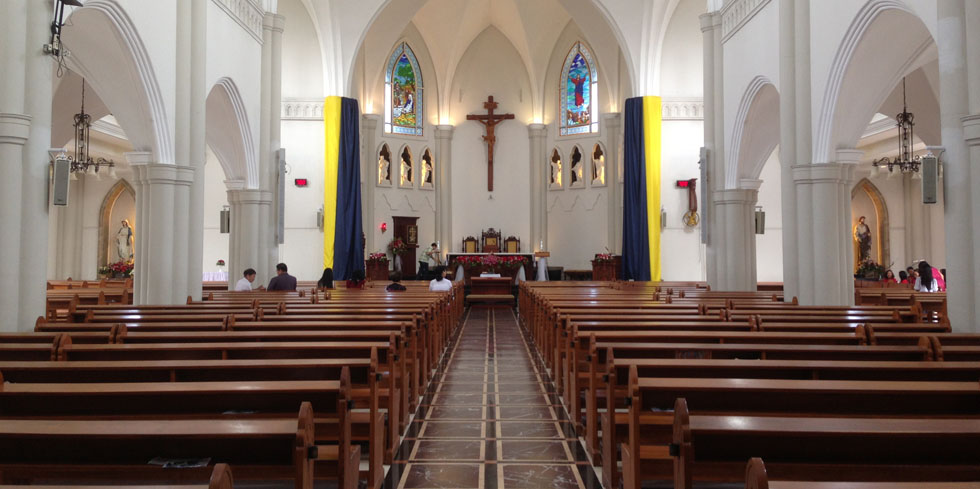
A church offers a beautiful and distinctive setting for your wedding, with its architecture, stained glass and peaceful atmosphere creating a memorable backdrop for the ceremony. Whether you choose a historic building or a welcoming local church, the setting can add a sense of tradition and occasion to your day, while reflecting the faith and values at the heart of your marriage.
Support and guidance from the church.
One of the benefits of getting married in a church is the support and guidance you can receive throughout the process. The minister or wedding team can explain the practical arrangements, help you prepare for the ceremony and answer questions about the legal and spiritual aspects of marriage. Many churches also offer marriage preparation, giving you time to reflect on your commitment and talk through the life you hope to build together.
Time to reflect through marriage preparation.
Marriage preparation gives couples valuable time to reflect on the promises they are about to make and what a lifelong commitment means to them. Through conversations with a minister or marriage preparation course, couples can explore their hopes, values, faith and expectations, while developing a deeper understanding of one another. This thoughtful preparation can help them approach their wedding day with confidence and begin married life with a stronger sense of shared purpose.
A chance to include hymns, readings and prayers.
A church wedding gives you the chance to include hymns, readings and prayers that reflect your faith and values. You might choose a favourite Bible passage, invite family or friends to read, or select hymns that are meaningful to you as a couple. The minister or vicar can help you choose suitable options and shape a service that feels personal, welcoming and true to your relationship.
A ceremony shared with family and friends.
A church wedding offers a meaningful setting in which to share your vows with family and friends. Loved ones can gather to celebrate your commitment, take part in readings or music, and support you as you begin married life together. The service can bring everyone together in a warm, memorable celebration.
A strong sense of tradition and community.
A church wedding can offer a strong sense of tradition and community. The ceremony connects your celebration with generations of couples who have made similar vows, while familiar prayers, hymns and rituals can make the day feel especially meaningful. Sharing this moment in a church may also bring family, friends and the wider congregation together to support you as you begin married life.
Personal touches guided by the minister or vicar.
A church wedding can include personal touches that make the service feel meaningful to you as a couple. Your minister or vicar can guide you in choosing suitable readings, hymns, prayers and music, and may suggest thoughtful ways for family and friends to take part. They will help you shape a service that reflects your relationship while respecting the church’s traditions and requirements.
A memorable way to mark your commitment.
A church wedding offers a memorable way to mark your commitment, bringing your promises to life in a setting rich with meaning and tradition. Surrounded by family, friends and a faith community, you can celebrate the beginning of married life through readings, music and vows that reflect what matters most to you.
Church weddings may involve more paperwork.
Church weddings may involve more paperwork than a civil ceremony. Depending on where you live, the church and your circumstances, you may need to provide identity documents, complete marriage notices or schedules, and supply details of any previous marriage. Requirements can vary across the UK, so check with the church early and allow time to gather everything.
You may need to meet eligibility requirements.
One potential drawback of a church wedding is that you may need to meet certain eligibility requirements before the church can confirm your ceremony. These can vary between churches and may depend on factors such as your connection to the congregation, your faith, or whether either of you has been married before. This could limit your choice of venue or mean extra conversations and preparation, so contact the church early to find out what applies to you.
Marriage preparation can take time.
Marriage preparation can take time, as couples may need to attend meetings or a course with the church before the wedding. Alongside organising the service and completing any required paperwork, fitting these sessions around work and other commitments can add to the planning. Ask the church about its requirements and timescales as early as possible, so you can make sure there is enough time before your chosen date.
Some churches have limited date availability.
One potential drawback of getting married in a church is limited date availability. Popular churches and sought-after dates can be booked well in advance, and the church’s own schedule may further restrict your options. Contact the church as early as possible, and be prepared to consider alternative dates or seasons if your preferred day is unavailable.
Fees and additional costs may apply.
Fees and additional costs may apply when you get married in a church. As well as the basic fee for the ceremony, you may need to budget for items such as music, an organist, flowers, heating or a rehearsal. Costs vary between churches, so ask for a clear breakdown of charges early on and check which arrangements are optional.