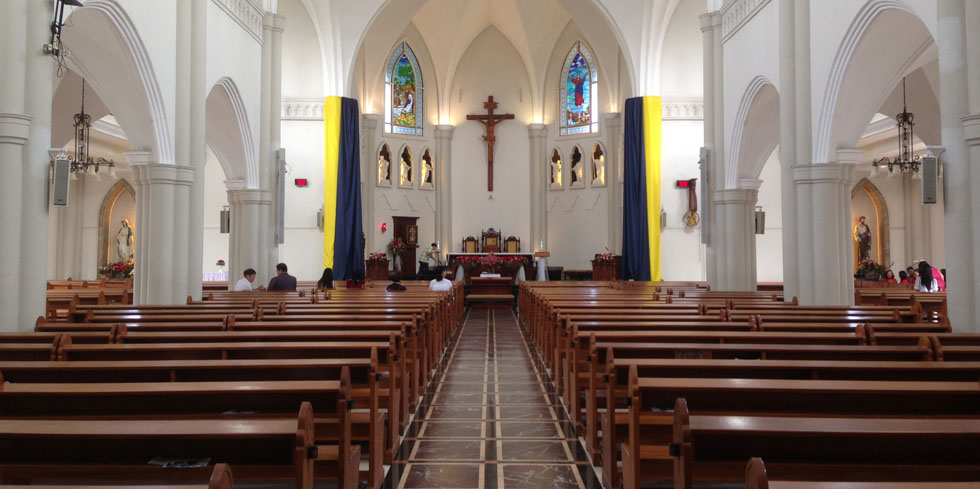
A Christian Wedding Ceremony: Meaning, Traditions and What to Expect
A Christian wedding ceremony is a joyful celebration of marriage, shared before God, family and friends. While customs vary between churches and Christian traditions, the service usually brings together worship, prayer and the couple’s promises to one another.
The meaning of Christian marriage
For Christians, marriage is more than a celebration or a legal commitment. It is commonly understood as a lifelong covenant in which two people promise to love, honour and support one another. Many couples also see God as central to their marriage, asking for guidance and strength as they begin their life together.
Christian teaching often describes love as patient, kind and faithful. These qualities may be reflected in the readings, prayers and vows chosen for the ceremony.
What happens during the ceremony?
There is no single format followed by every church, but a Christian wedding service may include:
- Welcome and opening prayer: The minister or celebrant welcomes the couple and their guests and opens the service.
- Hymns or worship music: Guests may sing together, or the couple may choose other suitable music, depending on the church’s practice.
- Bible readings: Readings may be chosen to reflect love, commitment, faith and the couple’s hopes for married life.
- A message or address: The minister may speak about the Christian understanding of marriage and the promises the couple are about to make.
- Marriage vows: The couple make promises to one another, often in the presence of their guests and God.
- Exchange of rings: Rings are commonly exchanged as a visible sign of the couple’s commitment, though customs differ.
- Prayers and blessing: The couple may be prayed for and blessed as they begin their married life.
- Declaration and signing: The service concludes with the appropriate declaration and, where applicable, the signing of the marriage register or documents.
Vows, readings and music
Many couples are able to personalise parts of their ceremony while keeping within the church’s guidelines. They might choose Bible passages that are meaningful to them, invite relatives or friends to give readings, or select hymns that reflect their faith and story.
One well-known passage often read at Christian weddings is 1 Corinthians 13, which describes the qualities of love. Other couples choose passages about companionship, faithfulness or building a life together. The minister can help couples select readings and music appropriate to their church tradition.
Different Christian traditions
Christian wedding ceremonies can look different from one denomination to another. A service in an Anglican, Baptist, Methodist, Roman Catholic, Orthodox or independent church may have its own order, prayers and customs. Some traditions place particular emphasis on the sacramental nature of marriage; others focus on the vows made by the couple and the congregation’s support.
Couples should speak with their minister or church as early as possible. The church can explain its requirements, discuss preparation for marriage and advise which elements can be included in the service.
Preparing for a church wedding in the UK
Planning a Christian wedding usually involves more than choosing a date and venue. Couples may need to meet with the minister, take part in marriage preparation and provide information or documents required by the church. Legal arrangements also apply, and these can differ across England and Wales, Scotland and Northern Ireland. The church and relevant local authority can explain the current requirements for the couple’s circumstances.
If one or both partners have been married before, or if the couple come from different Christian traditions, it is especially helpful to discuss this with the minister at an early stage.
A celebration of commitment and hope
At its heart, a Christian wedding ceremony is an occasion to celebrate love, make promises and ask for God’s blessing. Through its prayers, music, readings and vows, the service offers a meaningful beginning to married life and invites family, friends and the wider church community to support the couple in the years ahead.
Essential Tips for Planning a Christian Wedding Ceremony
- Speak with your vicar or priest early to discuss requirements and dates.
- Check whether marriage preparation or counselling is required.
- Choose Bible readings, hymns and prayers with your officiant.
- Ask guests to arrive early and explain any church customs beforehand.
- Confirm music, photography and dress guidelines with the church.
- Allow time for the service, signing the register and greeting guests.
Speak with your vicar or priest early to discuss requirements and dates.
Speak with your vicar or priest as early as possible when planning a Christian wedding. They can explain the church’s requirements, discuss any marriage preparation you may need and help you understand the legal arrangements. Getting in touch early also gives you the best chance of finding a date that suits both you and the church.
Check whether marriage preparation or counselling is required.
Before setting a date, ask your church whether marriage preparation or counselling is required. Many ministers offer sessions to help couples explore the meaning of Christian marriage, discuss communication and expectations, and prepare thoughtfully for the commitments they will make. Requirements vary between churches, so check what is involved and allow plenty of time to complete any preparation before the ceremony.
Choose Bible readings, hymns and prayers with your officiant.
Choose your Bible readings, hymns and prayers in conversation with your officiant. They can help you find passages and music that reflect your relationship, faith and hopes for married life, while ensuring your choices fit the church’s traditions and the shape of the service. Discuss your selections early, especially if you would like friends or family members to take part in the readings or prayers.
Ask guests to arrive early and explain any church customs beforehand.
Encourage guests to arrive a little early so they can settle in before the ceremony begins. If the service includes church customs they may not know—such as standing for hymns or joining in particular responses—share a brief explanation in advance. This helps everyone feel comfortable and allows guests to take part respectfully in the celebration.
Confirm music, photography and dress guidelines with the church.
Before the wedding day, check the church’s guidelines for music, photography and dress. Some churches may need to approve hymns or other music, restrict when and where photographs can be taken, or have expectations about suitable attire. Confirming these details with the minister or church office early on helps avoid last-minute surprises and ensures everyone can enjoy the ceremony.
Allow time for the service, signing the register and greeting guests.
Allow plenty of time for every part of your wedding day, not just the ceremony itself. The service may run longer than expected, and you’ll also need time to sign the register and greet your guests afterwards. Building a little flexibility into the schedule helps everyone feel relaxed and gives you space to enjoy these special moments without feeling rushed.