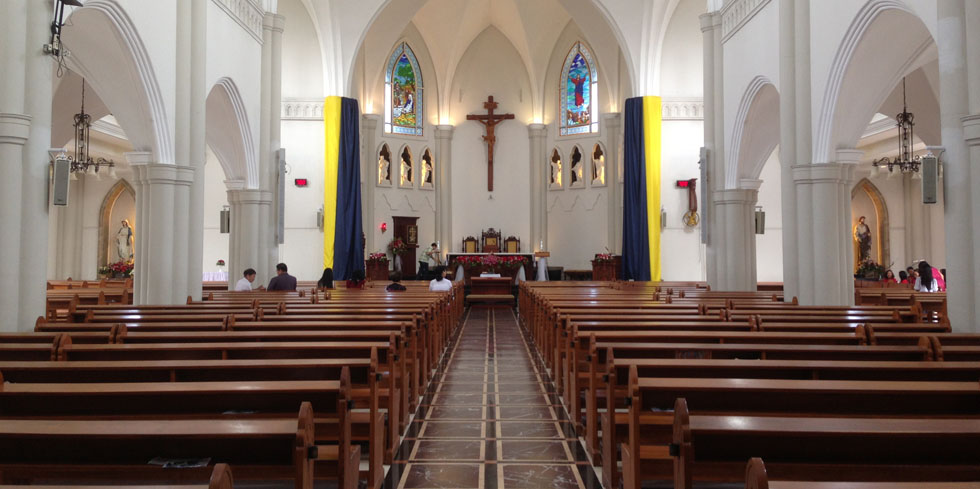
Flower Decoration for the Stage: Ideas for a Beautiful Setting
Flowers can transform a stage, adding colour, texture and a sense of occasion. Whether the setting is a wedding, concert, conference, church service or awards ceremony, thoughtful floral decoration can help create the right atmosphere and frame the people on stage.
Begin with the purpose of the event
Before choosing flowers, consider the type of event and the impression you want to create. A wedding might call for soft, romantic arrangements, while a business event may suit a simple, contemporary design. For a community gathering or church service, seasonal flowers can bring warmth without distracting from the occasion.
It is also useful to think about the stage itself. Take note of its size, layout, lighting and background. Decorations should complement the space rather than compete with it.
Choose a balanced layout
Stage flowers can be placed along the front edge, beside a lectern, around steps or in arrangements at either side of the stage. A symmetrical design often feels formal and orderly, while a more relaxed, uneven arrangement can look natural and modern.
Keep sightlines clear. Flowers should not block speakers, performers, screens or important parts of the backdrop. For a stage used by several people, low arrangements across the front are often a practical choice. Taller displays can work well at the sides, where they add height without obstructing the view.
Select flowers and colours with care
Choose flowers that suit the event’s colour scheme and setting. Roses, lilies, hydrangeas and seasonal blooms are popular options, but foliage can be just as important. Greenery adds shape and depth, and can help a display feel fuller without relying on large quantities of flowers.
Consider how the colours will look under stage lighting. Strong spotlights can alter the appearance of pale or vivid tones, so it is wise to view samples in the venue if possible. A limited palette can create a polished effect, while a mix of seasonal colours can bring energy and character.
Think about practicality
Stage decorations need to remain secure throughout the event. Use stable containers and make sure displays cannot be easily knocked over. Avoid placing arrangements where they could create a trip hazard or interfere with cables, walkways or equipment.
Fresh flowers can look and smell wonderful, but they may need water and careful handling. For longer events, or venues with warm lighting, hardy flowers and foliage are a sensible option. High-quality artificial flowers can also be useful where durability or allergy considerations are important.
Make the stage feel cohesive
Flowers work best when they are part of an overall design. Coordinate them with the stage backdrop, table decorations, entrance displays and other details. Repeating a few colours or types of foliage throughout the venue can help the event feel unified.
At the same time, restraint can be effective. A few well-placed arrangements often make a stronger impression than filling every available space. The aim is to enhance the stage and support the event, not draw attention away from what is happening on it.
A finishing touch that sets the scene
Well-planned flower decoration can make a stage feel welcoming, elegant and memorable. By considering the event, the venue, the sightlines and the practical details, it is possible to create a display that looks beautiful and works well throughout the occasion.
9 Benefits of Floral Stage Decoration
- Creates a welcoming atmosphere.
- Adds colour and visual interest.
- Frames speakers and performers beautifully.
- Complements the event’s theme.
- Makes the stage feel more polished.
- Enhances photographs and videos.
- Can highlight key areas of the stage.
- Seasonal flowers add a fresh touch.
- Helps make the occasion memorable.
Seven Drawbacks of Decorating a Stage with Flowers
- Fresh flowers can be expensive.
- Some blooms trigger allergies.
- Flowers may wilt under hot lights.
- Arrangements can block sightlines.
- Water spills can create slip hazards.
- Strong scents may distract guests.
- Set-up and removal take time.
Creates a welcoming atmosphere.
Flower decoration can make a stage feel warm and inviting, helping guests feel welcome as soon as they arrive. Fresh blooms and greenery soften the space, add colour and create a pleasant focal point without overwhelming the event. Whether used at a wedding, church service or community gathering, thoughtfully chosen flowers help set a friendly, uplifting tone.
Adds colour and visual interest.
Flower decoration adds colour and visual interest to a stage, helping it feel more welcoming and polished. Carefully chosen blooms can complement the event’s theme, brighten the space and draw the audience’s eye without distracting from the people on stage.
Frames speakers and performers beautifully.
Flower decorations can frame speakers and performers beautifully, drawing the audience’s attention to the people at the heart of the event. Arranged thoughtfully at the sides or front of the stage, blooms add colour and depth while creating a polished, welcoming setting without obstructing the view.
Complements the event’s theme.
Flower decoration can complement an event’s theme by bringing its colours, style and atmosphere onto the stage. Soft pastel blooms can enhance a romantic wedding, while bold, vibrant flowers may suit a lively celebration or performance. Choosing arrangements that echo the event’s decorations and overall look helps create a cohesive setting and makes the stage feel like a natural part of the occasion.
Makes the stage feel more polished.
Flower decoration can make a stage feel more polished by adding colour, texture and carefully considered detail. Well-placed arrangements help tie the setting together, complement the backdrop and create a refined impression for guests and performers alike. Even a few thoughtfully chosen flowers can make the stage look more welcoming and complete without distracting from the event.
Enhances photographs and videos.
Flower decoration can make a stage more attractive in photographs and videos, creating a colourful, polished backdrop for speakers, performers and guests. Carefully chosen blooms add texture and depth, helping the setting feel warm and memorable while complementing the event’s theme. Because the stage often features prominently in pictures and recordings, floral details can also make those keepsakes feel more special.
Can highlight key areas of the stage.
Flower decoration can help draw attention to key areas of the stage, such as the lectern, entrance or main performance space. Carefully placed arrangements guide the audience’s eye and add visual interest, while keeping the focus on the speakers, performers or ceremony.
Seasonal flowers add a fresh touch.
Seasonal flowers add a fresh touch to stage decorations, bringing colours, textures and scents that reflect the time of year. Spring blooms can create a light, uplifting feel, while rich autumn foliage adds warmth and depth. Choosing flowers that are naturally in season can also make the display feel more connected to its setting and occasion.
Helps make the occasion memorable.
Flower decoration can help make an occasion more memorable by creating a beautiful, welcoming setting that guests will remember long after the event. Carefully chosen colours, seasonal blooms and thoughtful arrangements add character to the stage, complement the occasion and provide an attractive backdrop for photographs.
Fresh flowers can be expensive.
Fresh flowers can be expensive, particularly when large arrangements or out-of-season varieties are required. Costs may also rise when you include delivery, professional arranging and replacement blooms for longer events. Setting a clear budget and choosing seasonal flowers or using fresh blooms alongside greenery can help keep the stage looking attractive without overspending.
Some blooms trigger allergies.
Some blooms can trigger allergies, making flower-decorated stages uncomfortable for guests, performers or staff who are sensitive to pollen or fragrance. Symptoms may include sneezing, itchy eyes and a runny nose, which can be particularly disruptive during a ceremony or performance. To reduce the risk, choose low-pollen, lightly scented flowers, keep arrangements away from seating and consider using foliage or high-quality artificial blooms instead.
Flowers may wilt under hot lights.
Flowers may wilt under hot stage lights, especially during long events or in warm venues. Petals can droop and lose their freshness, making arrangements look tired before the occasion has finished. Choosing hardy, seasonal flowers, keeping displays away from direct heat where possible and arranging them shortly before the event can help them stay looking their best.
Arrangements can block sightlines.
One drawback of flower decoration on a stage is that arrangements can block sightlines. Large displays, or flowers placed too close to the front, may obscure speakers, performers, screens or other important features, making it harder for some audience members to see. Keeping arrangements low and positioning taller displays at the sides can help maintain clear views.
Water spills can create slip hazards.
Water spills from flower arrangements can create slip hazards, particularly around the front of the stage or in busy walkways. A small leak may be difficult to spot under stage lighting, increasing the risk of someone slipping and falling. Use stable, leak-proof containers, place them away from routes used by performers and staff, and clean up any spills promptly.
Strong scents may distract guests.
Strongly scented flowers can be distracting, particularly in a small or poorly ventilated venue. Their fragrance may compete with the event, make it harder for guests to concentrate, or cause discomfort for people with allergies or sensitivities. Choosing flowers with little or no scent can help keep the stage attractive without overwhelming the room.
Set-up and removal take time.
One drawback of flower decoration on a stage is the time needed to set up and remove the arrangements. Flowers must be transported, positioned securely and adjusted to suit the layout, which can be challenging when access to the venue is limited or the schedule is tight. After the event, the displays also need to be dismantled and cleared away, adding to the work for organisers and venue staff.